Shop Now
Mimosa Tenuiflora Root Bark
Mimosa tenuiflora root bark is a unique botanical material known for its deep reddish-purple coloration and fibrous inner bark structure. At The Tenuiflora Shop, we provide ethically sourced Mexican mimosa tenuiflora root bark in several different textures so artisans, botanical enthusiasts, and makers can choose the format that best suits their needs.
Our bark is carefully harvested from the inner root bark of the mimosa tenuiflora tree, sometimes also referred to as mimosa hostilis or jurema preta. The inner root bark is known for its rich natural pigments, plant tannins, and distinctive reddish color that has made it popular in natural crafting and dyeing applications.
Each batch is sourced from Mexico and processed with care to maintain the natural qualities of the bark.
Why Mimosa Hostilis Inner Root Bark Matters More Than Outer Bark
Not all mimosa tenuiflora root bark is processed to the same standard.
One of the biggest differences in quality comes down to inner root bark vs outer bark. High-quality mimosa tenuiflora root bark is carefully prepared from the inner root bark, which is naturally richer in color, plant tannins, and the fibrous texture many makers look for.
Inner root bark is often recognized by:
- Rich reddish-purple coloration
- More consistent texture across batches
- Cleaner, more uniform material
- Reduced excess woody outer bark content
Lower-quality bark may include larger amounts of outer bark, which tends to be lighter in color and less consistent in texture.
At The Tenuiflora Shop, our focus is on carefully sourced Mexican mimosa tenuiflora inner root bark, prepared to maintain the natural qualities of the plant while offering consistent quality across powder, shredded, and chunked formats.
If you’d like to understand the difference in more detail, you can read our guide here:
Mexican Mimosa Hostilis Inner Root Bark vs Outer Bark
Powder, Shredded, and Chunk Mimosa Root Bark
Mimosa tenuiflora root bark can be prepared in several textures depending on how the bark is processed. Each format offers its own advantages.
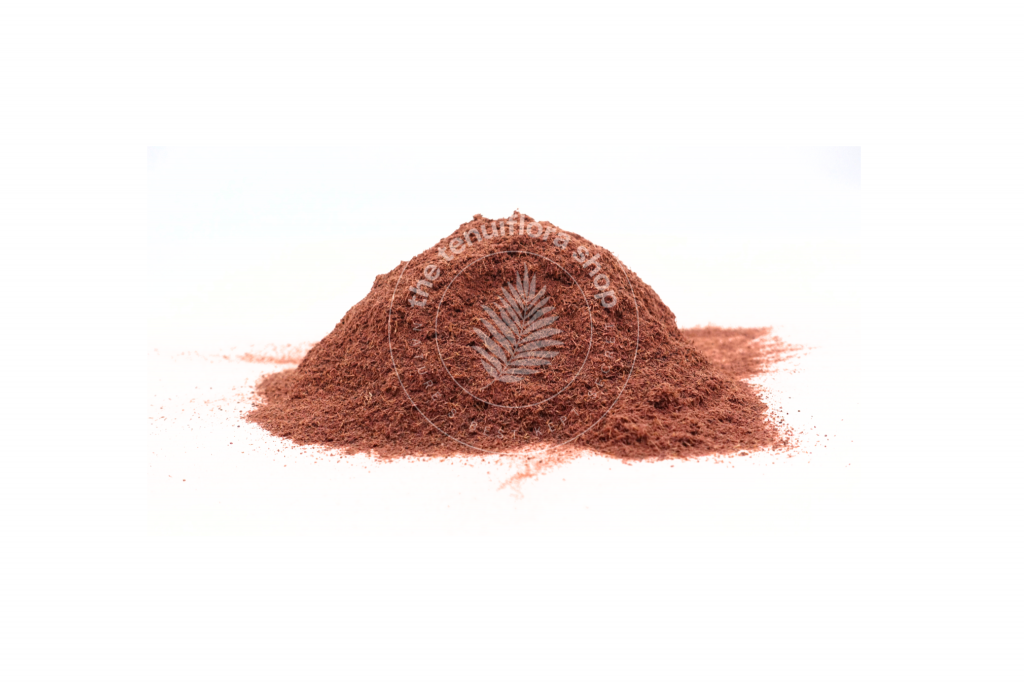
Mimosa root bark powder is finely ground, creating a smooth and consistent texture that blends easily into formulations and mixtures.
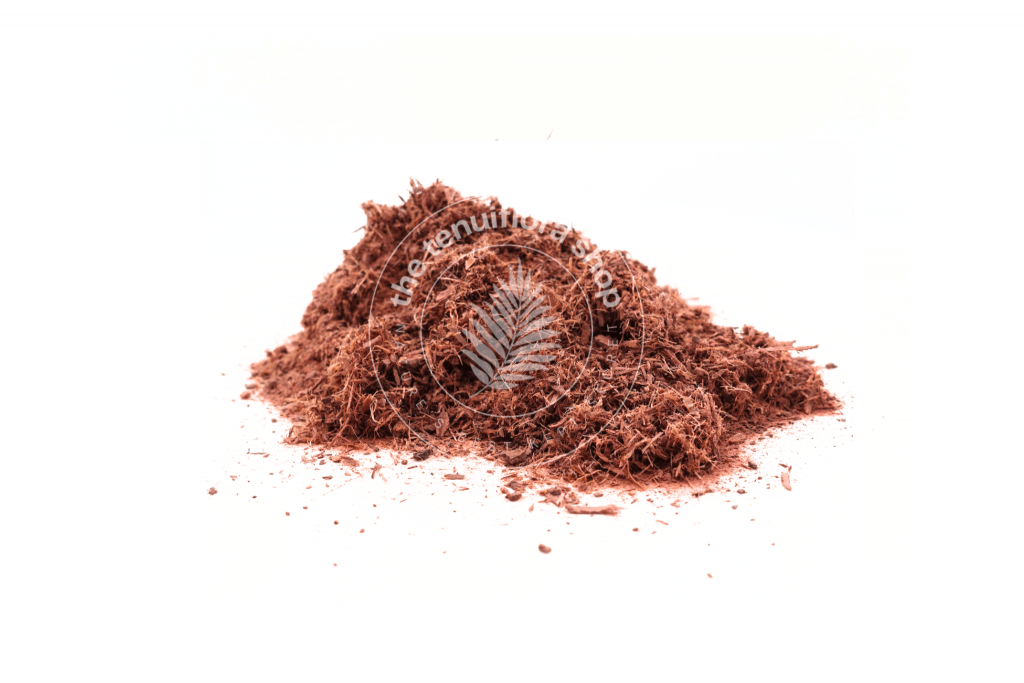
Shredded mimosa root bark maintains the fibrous structure of the inner bark while still being easy to work with and prepare.
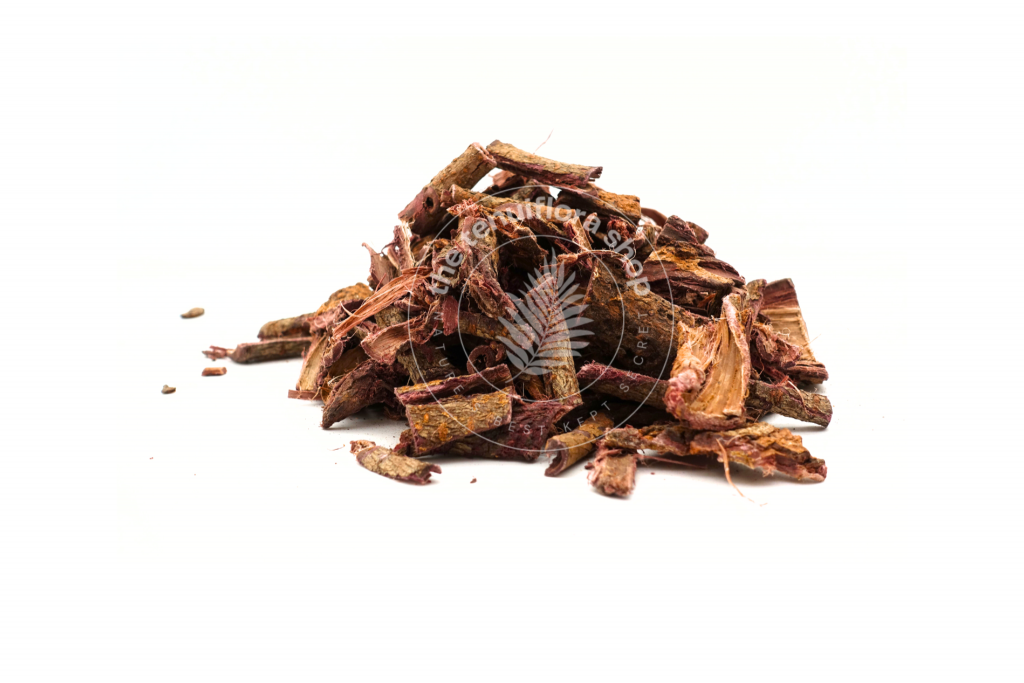
Mimosa root bark chunks are the least processed form of the bark and preserve much of the natural structure of the plant. Many people prefer chunk bark for long-term storage or when they want to process the bark themselves.
These different textures allow customers to choose the format that works best for their projects.
Mexican Mimosa Tenuiflora Root Bark
The mimosa tenuiflora tree grows naturally in dry tropical regions of Mexico and parts of Central and South America. The climate and soil conditions of these regions contribute to the plant’s dense root systems and rich inner bark.
Mexican mimosa tenuiflora root bark is widely recognized for its deep natural coloration and consistent botanical characteristics. Because the bark is a natural plant material, slight variations in color and fiber structure are normal and reflect the natural origin of the bark.
Our goal is to provide high-quality bark while maintaining responsible sourcing practices.
Botanical Information
Mimosa tenuiflora (Willd.) Poir. is a woody shrub or small tree in the Fabaceae family. The species is also widely known as Mimosa hostilis, a botanical synonym that remains common in trade and everyday use. Other regional names include Jurema Preta and tepescohuite. Plants of the World Online
The species is native to parts of Mexico, Central America and South America. In Mexico, botanical records specifically document Mimosa tenuiflora in Chiapas and Oaxaca. Plants of the World Online
Our shop specializes in Mexican Mimosa tenuiflora root bark, offered in powder, shredded bark and whole chunks. While these forms differ in texture and processing, they originate from the same botanical species.
Botanical name: Mimosa tenuiflora (Willd.) Poir.
Common synonym: Mimosa hostilis Benth.
Family: Fabaceae
Genus: Mimosa
Common names: Mimosa Hostilis, Jurema Preta, Tepescohuite
Plant form: Shrub or small tree
Our source: Mexico
For more about the naming of this species, read our guide to Jurema Preta and Mimosa tenuiflora.
Sources: Royal Botanic Gardens, Kew — Plants of the World Online · USDA GRIN Taxonomy
Choosing the Right Mimosa Root Bark Texture
Selecting the right texture depends on how you plan to work with the bark.
Many customers choose mimosa root bark powder when they want a finely ground material that mixes easily into formulations.
Others prefer shredded mimosa root bark, which retains more of the natural fiber structure while still being convenient to prepare.
For those who want the most natural form of the bark, mimosa root bark chunks offer minimal processing and allow for custom preparation.
If you’re unsure which format is best for your project, exploring different textures can help you better understand how the bark behaves in various applications.
Ethically Sourced Botanical Materials
At The Tenuiflora Shop, we focus on providing responsibly sourced mimosa tenuiflora root bark while maintaining consistent quality for our customers. Our bark is harvested in Mexico and prepared with care to preserve the natural structure and coloration of the inner root bark.
We believe botanical materials should be handled with respect for both the plant and the communities involved in harvesting it. Understanding how botanical materials are harvested, processed, and handled can be valuable when evaluating product quality. The Food and Agriculture Organization (FAO) offers educational information on plant production, agricultural practices, and sustainable resource management that helps provide broader context for botanical products sold around the world.